Skip to content Skip to footer

Open vs Closed Kitchen Layout: Which One Is Right for Your Home?

Open vs Closed Kitchen Layout: Which One Is Right for Your Home?

An open kitchen layout removes the wall between the kitchen and an adjacent living or dining space, joining them into one connected room. A closed kitchen layout keeps the kitchen enclosed, separated from the rest of the home by a wall and doorway. Neither is universally better. The right open vs closed kitchen layout choice depends on how you cook, how much you value visual connection with family and guests, your budget for structural work, and how your home was originally built.

This guide breaks down the open concept kitchen pros and cons, the practical closed kitchen benefits many homeowners overlook, and what actually drives load-bearing wall removal kitchen cost, so you can weigh both directions with realistic expectations before committing to a remodel.

What Is an Open Kitchen Layout?

An open kitchen layout removes the wall, or walls, that once separated the kitchen from a living room, dining room, or family room, combining them into a single connected space. It became popular because it lets the person cooking stay part of the conversation, makes smaller homes feel larger, and lets natural light travel between rooms. It also creates a natural spot for a kitchen island, which can double as prep space, serving counter, and casual seating. This is a layout decision covered in more depth in our guide to choosing the right kitchen layout for your space.

Open Concept Kitchen Pros and Cons

Before deciding, it helps to see both sides clearly.

Pros

  • Better sightlines for keeping an eye on kids or guests while cooking
  • More natural light reaching into adjacent rooms
  • A more spacious feel, especially valuable in smaller homes
  • Easier entertaining, since guests can gather near the kitchen island instead of being separated from the cook

Cons

  • Cooking smells, smoke, and noise spread through the connected living space
  • Kitchen mess and dirty dishes stay visible from wherever guests are sitting
  • Fewer walls means less room for upper cabinets, pantry space, and appliance storage
  • Ventilation has to work harder, since there’s no wall to help contain grease and odor

A stronger, correctly sized range hood becomes less optional and more essential in an open layout. This is a topic covered in our kitchen ventilation and range hood guide.

Closed Kitchen Benefits Worth Considering

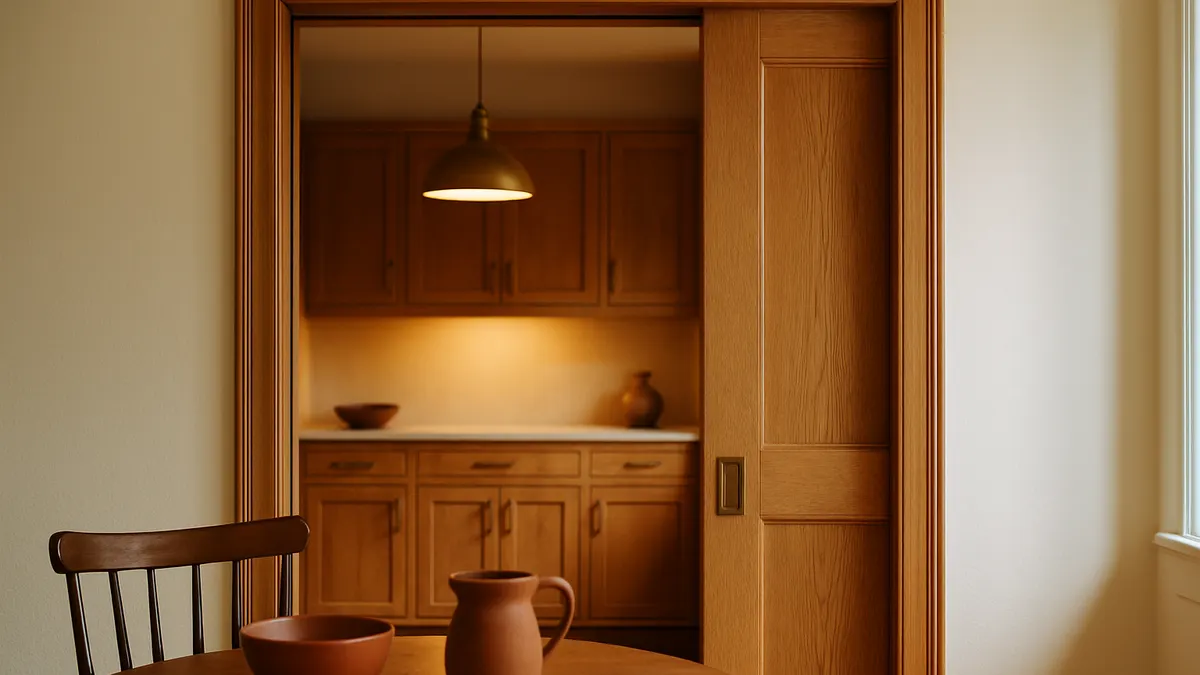
A closed kitchen keeps the cooking space enclosed by walls, connected to the rest of the home through a doorway or hallway rather than an open sightline. It’s an older layout style, but it still fits how a lot of households actually cook and live.

  • Cooking odors, smoke, and noise stay contained in the kitchen instead of spreading through the house
  • Dishes and prep mess stay out of view during gatherings
  • More continuous wall space for cabinets, pantry storage, and appliances
  • A quieter, more focused workspace, which matters for anyone who cooks seriously or often
  • Standard range hood ventilation is usually enough, since walls naturally limit how far grease and odor travel, a real cost advantage over open layouts

Open vs Closed Kitchen at a Glance

Factor Open Kitchen Closed Kitchen
Sightlines & natural light Extends into adjacent rooms Limited to the kitchen itself
Noise & odor control Spreads into living space Stays contained
Wall & storage space Reduced More cabinet and pantry room
Ventilation needs Higher-capacity hood typically needed Standard range hood often sufficient
Renovation complexity May involve load-bearing wall removal Typically no structural changes

Load-Bearing Wall Removal Kitchen Cost: What Affects the Price

Removing a load bearing wall to create a more open kitchen usually costs more than removing a non load bearing wall. This is because the wall may support part of the home’s structure and may need to be replaced with a beam or posts. The total cost depends on factors such as the size of the wall, the type of support required, and whether plumbing, electrical wiring, or HVAC lines are inside the wall. Local permit and inspection requirements can also affect the final price.

You should also consider the finishing work after the wall is removed. Repairs to the ceiling, flooring, drywall, and paint can add to the overall project cost. Before setting your budget, it is helpful to understand the different factors that affect kitchen renovation costs. A professional assessment can then help determine the structural work required and provide a more realistic estimate for your project.

The Semi-Open Middle Ground

For homeowners who want a little more openness without completely removing the separation between rooms, a semi open kitchen layout can be a good option. You can create this look with a half wall, a wide doorway, or a large opening between the kitchen and living area.

This layout can make the kitchen feel more connected while still giving you some wall space for cabinets and storage. It can also create a natural place for a breakfast counter or seating area. For homes where a fully open floor plan is not practical, a semi open design offers a balance between privacy, functionality, and an open feel.

How to Decide Which Layout Fits Your Home

The best kitchen layout depends on how you use the room, how much space you have, and what you want from the remodel. Before choosing a design, consider a few practical questions:

  • Do you use the kitchen mainly for cooking, or is it also a place where family and guests gather?
  • Do you need plenty of wall space for cabinets and storage?
  • Would you prefer an open space or some separation from the living and dining areas?
  • How important are privacy, noise control, and keeping cooking odors contained?
  • Is the wall you want to remove load bearing? This can affect both the project scope and cost.
  • Does the layout make sense for the way homes in your local market are designed and used?

It is also helpful to think about materials after deciding on the basic floor plan. Your countertop choice can affect the overall look, maintenance, and budget of the kitchen. You can compare different countertop materials and their costs before making a final selection.

If you are still exploring different layouts, take a look at these kitchen layout ideas to see how different configurations can work with various kitchen sizes, storage needs, and cooking habits.

Compare Your Kitchen Layout Options with Perfect Touch

Choosing between an open, closed, or semi open kitchen depends on your home’s structure, budget, and how you use the space every day. Before making changes, it helps to understand which layout will give you the right balance of space, storage, privacy, and functionality. Working with a top rated kitchen remodeling team can also help you evaluate your options and avoid costly changes later.

Perfect Touch helps homeowners in Bensalem, Morrisville, Yardley, Southampton, and nearby communities plan kitchen remodeling projects around their needs and lifestyle. Call (609) 508-7142 to schedule a consultation and discuss your kitchen layout options.

Frequently Asked Questions

Neither layout guarantees a higher resale value on its own. Buyer preference varies by market, price point, and neighborhood. Open layouts have been broadly popular for years because they photograph well and suit how many buyers picture entertaining, but some buyers specifically look for a separate, enclosed kitchen. A local real estate agent can speak to what's in demand in your specific area.

Cost depends heavily on whether the wall is load-bearing, its length and height, what's routed through it (plumbing, wiring, ductwork), and local permit and inspection requirements. A non-load-bearing wall removal is typically a smaller project than one requiring a structural engineer and a new support beam. An in-person contractor assessment is the only reliable way to get an accurate estimate.

Walls that run perpendicular to floor joists, sit above a foundation wall, or line up directly above a wall on the floor below are more likely to be load-bearing, but this isn't something to determine visually with certainty. A structural engineer or experienced contractor should confirm it before any wall is touched, since removing a load-bearing wall without proper support can compromise the home's structure.

Yes. A wide pass-through, a half wall, or a large cased opening with a support beam all create visual connection and better sightlines while keeping some wall space intact. This semi-open approach often costs less than a full wall removal and still improves flow between the kitchen and adjacent rooms.

Generally, yes. Without walls to help contain cooking odors, smoke, and airborne grease, an open kitchen typically needs a range hood with higher airflow capacity to keep the connected living space comfortable. A closed kitchen can often perform well with a more standard hood, since the enclosed space naturally limits how far cooking byproducts travel.

Open layouts tend to make small homes feel larger, since removing a wall lets light and sightlines extend into adjacent rooms. That said, a well-organized closed kitchen with efficient storage can still work well in a small home, especially for homeowners who prefer a contained, clutter-free look over an expansive one.