Skip to content Skip to footer

2026 Interior Remodeling Trends: Warmth, Curves & Personal Expression

2026 Interior Remodeling Trends: Warmth, Curves & Personal Expression

In 2026, home design is moving away from the all-white, minimalist look that was popular for years. Homeowners now want 2026 interior remodeling trends that feel warmer and more personal: warm colors, soft curved shapes, and rooms that can do more than one job. Instead of picking one trendy style, most remodels now mix natural materials, personal touches, and smart layouts. The goal is a home that looks good and feels good to live in. This guide covers the top trends, how to use them in your own home, and what to expect when you plan a project.

Why 2026 Interiors Are Moving Away from Minimalism

For years, “on-trend” meant the same formula everywhere: bright white walls, gray floors, and furniture picked to match rather than to feel like home. It photographed well, but living in it every day was another story: cold, stiff, a little impersonal. That’s changing in 2026. Homeowners are leaning into warmth and character instead of chasing a showroom look. Think richer colors, softer curves, and rooms designed around how a family actually lives, not how a magazine spread looks.

The good news? You don’t have to choose between “clean and tidy” and “warm and personal.” The best 2026 interiors manage both. They’re organized and intentional, but they still feel lived-in rather than staged. If you’re planning to update several rooms and want that balance done right, working with a professional interior remodeling service can help turn these ideas into a real plan, one that fits both your home’s layout and your budget.

Warm Color Palette Interior Design Trends for 2026

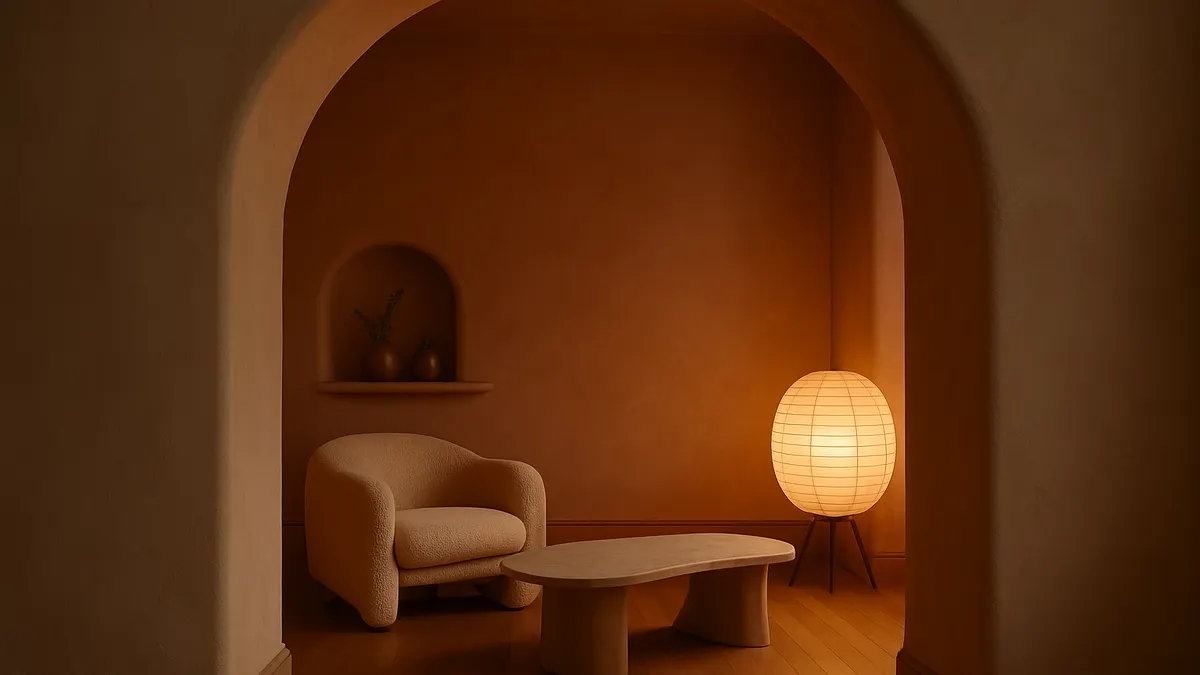
A warm color palette is one of the easiest ways to spot a 2026 remodel. Cool grays and bright white are giving way to warmer colors like terracotta, clay, olive green, warm taupe, and deep brown. These colors come from nature — think wood, stone, and clay. They feel calm and cozy instead of cold, and they match well with the natural materials used elsewhere in the home. In practice, this often means:

  • Warm neutral colors (sand, mushroom, warm greige) on the walls instead of cool gray
  • Deeper accent colors — rust, olive, deep teal — on cabinets, an accent wall, or trim
  • “Color drenching,” where one color covers the walls, trim, and ceiling to make a room feel warm and whole

Paint is one of the cheapest ways to try a new color before you commit to a bigger remodel. That’s why it’s often the first step homeowners take. Our guide on choosing interior paint colors for a remodel shows you how to test a warm color before you paint the whole room.

Curved Architecture and Furniture Are Replacing Sharp Lines

Soft, round shapes are showing up in both architecture and furniture in 2026. Arched doorways, curved ceilings, round kitchen islands, and grooved cabinet fronts are all becoming more common in remodels. So are curved sofas, round tables, and furniture with rounded edges.

Curves aren’t just about looks. They can also make a room easier to move through. Rounded shapes soften tight corners and help people move around more naturally, especially in open rooms where a lot happens in one space. Custom millwork — like arched cabinets, grooved panels, or rounded trim — is an easy way to add this look to your home without a big remodel. Custom carpentry work such as built-in shelves, curved trim, and detailed cabinets can add this warm, curved feel without changing your whole room.

Multi-Functional Home Layouts for Modern Living

Open floor plans are still popular, but people are getting smarter about how they use them. Instead of one giant open space, 2026 layouts use rugs, lighting, ceiling details, or half-walls to quietly separate the cooking area from the work area from the spot where everyone relaxes, all without closing anything off.

Rooms are also working harder than they used to. A guest room might double as a home office. A mudroom might have a little homework nook. A kitchen island might handle both meal prep and morning coffee.

It all comes down to how people actually live now: more of us working from home, more family members under one roof, and more hobbies happening indoors instead of out. That said, open concept isn’t the right choice for every home. If you’re stuck deciding between open and divided layouts, it’s worth thinking about how your household really uses shared space before you decide.

Natural Materials and Layered Textures

Warmth in 2026 isn’t just about color — it’s also about how things feel. Matte metal, textured plaster, textured tile, natural woven fabrics, and mixed wood tones are replacing the shiny, uniform finishes that were common a few years ago. Mixing different wood types and metal finishes used to be seen as a mistake. Now it’s a common way to make a home feel collected over time, instead of bought all at once.

This shows up most in kitchens and bathrooms, where finishes make a big difference. Many remodels now pair painted cabinets with natural wood accents, textured tile, and warm-toned hardware instead of one matching finish throughout. Kitchen and bathroom remodeling projects are a good place to try these material choices, since you’re already picking finishes during the renovation.

Planning a 2026 Remodel: Where to Start and What It Costs

You don’t need a full renovation to bring these trends into your home. A fresh coat of warm paint, a few curved or textured furniture pieces, and clearer zones in an open room can change how a space feels without any construction. Bigger changes — like reworking a layout, adding curved architecture, or updating kitchen and bathroom finishes — take more planning and usually need a licensed contractor.

Costs vary a lot, depending on the size of the project, the materials you choose, and labor rates in your area. Treat any online price as a rough starting point, not a fixed number. A simple refresh — paint, lighting, furniture — usually costs less. Bigger changes, like reworking a layout or adding custom millwork, cost more and depend on your specific home. A local, licensed remodeler can look at your space and give you a real estimate based on your layout, materials, and goals.

Compare Your Remodeling Options

Whether you want to try a warmer color in one room or plan a full remodel, it helps to walk through your home with someone who can turn these trends into a real plan. Speak with our remodeling team to talk about what makes sense for your layout, timeline, and budget before you decide on a direction.

The Takeaway

2026 interior remodeling trends aren’t about picking one style. They’re about making your home feel warmer, more personal, and easier to live in. You can add warm colors, curved details, and multi-use layouts little by little with paint and furniture, or build them into a bigger renovation. The best approach depends on your home’s current layout, your budget, and how you use your space every day. Whatever you start with, working with an experienced remodeling team helps make sure the changes look good and hold up over time.

Perfect Touch provides interior remodeling services throughout Bucks County, PA, and the surrounding area, including Bensalem, Morrisville, Yardley, Southampton, Newtown, Hamilton, and Langhorne.

Frequently Asked Questions

Warm, earthy colors are trending in 2026 — think terracotta, olive, warm taupe, and deep brown. These colors work well with natural materials like wood and stone. They make a room feel warmer and cozier than an all-white or all-gray room.

Curved shapes have shown up in many 2026 design forecasts, from curved sofas to arched doorways to round kitchen islands. That suggests this trend will stick around for a while. Still, trends do change, so pick curved pieces — like a sofa or an island — that you'll still like in a few years, instead of adding curves to everything at once.

A multi-functional layout is a room or floor plan built to do more than one job. For example, a home office that also works as a guest room, or an open kitchen and living area with separate spots for cooking, eating, and relaxing. Instead of giving each room just one purpose, the layout adapts to how your family actually uses the space.

No. Paint, lighting, and a few curved or textured furniture pieces can add warmth without any construction. Bigger changes — like reworking a layout, adding curved details, or redoing kitchen and bathroom finishes — take more planning and usually need a licensed contractor. But you can also make smaller updates over time.

Costs vary a lot based on the size of the project, the materials you pick, and labor rates in your area, so there's no single price that fits every home. A simple refresh usually costs less than bigger changes like reworking a layout or adding custom millwork. A local contractor can give you an estimate based on your specific home and goals.

Start with warm neutral colors as your base. Then add one or two deeper accent colors and a mix of natural materials — wood, stone, woven fabric — instead of matching everything exactly. Mixing textures and tones on purpose, instead of using one matching finish, is what keeps this look feeling fresh instead of like a passing trend.