Home remodeling is no longer just about style and upgrades. It’s about creating a space that supports your health, comfort, and daily well-being. Today, more homeowners are choosing healthy home remodeling ideas that improve mood, reduce stress, and make life more comfortable.
Two of the most powerful approaches are biophilic design home concepts and neuro-friendly design, both rooted in creating spaces that feel naturally calming and mentally supportive.
What Is Biophilic Design and Why Does It Matter?
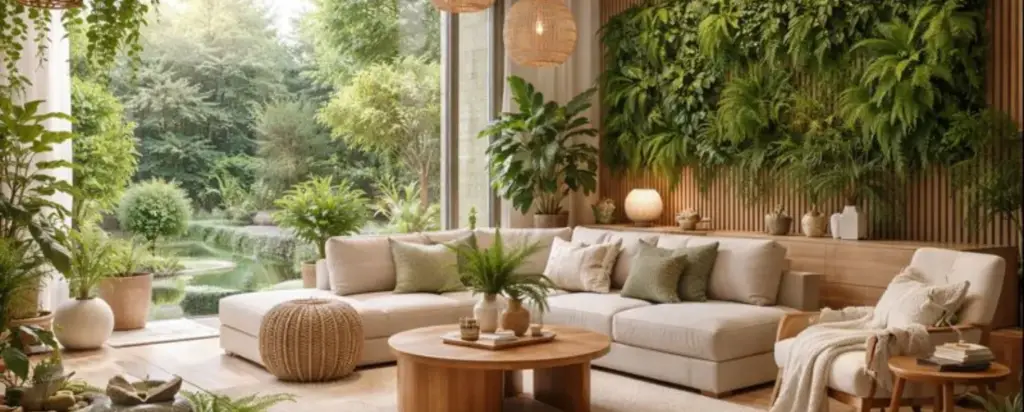
Biophilic design home principles focus on connecting your indoor environment with nature, and many homeowners exploring home remodeling in Trenton are choosing this approach to create healthier living spaces. It includes bringing in sunlight, plants, natural materials, and organic textures that make your space feel alive and balanced.
The goal is to create a stronger emotional connection to your home while supporting daily comfort. Modern wellness interior design is strongly influenced by biophilic features because they can improve focus, reduce anxiety, and create a welcoming environment for every family member.
If you’re planning your next remodel, consider these ideas alongside 2026 Interior Remodeling Trends and explore Smart & Sustainable Home Renovation solutions to create a modern, healthier, and happier home.
What Is Neuro Friendly Design in Home Remodeling?
Neuro-friendly design focuses on how your brain and nervous system respond to space, light, sound, texture, and layout. It helps reduce overstimulation and supports calm routines. This type of design is especially helpful for people who experience anxiety, ADHD, sensory sensitivity, or work-from-home stress.
A home built with mental wellness design in mind feels easier to live in because it supports your mind, not just your lifestyle.
1) Natural Light Optimization for Better Mood and Energy
One of the most important upgrades in biophilic interior design is natural light optimization. Daylight helps the body regulate sleep and boosts daily energy.
How to improve natural light:
- Use larger windows or glass doors where possible
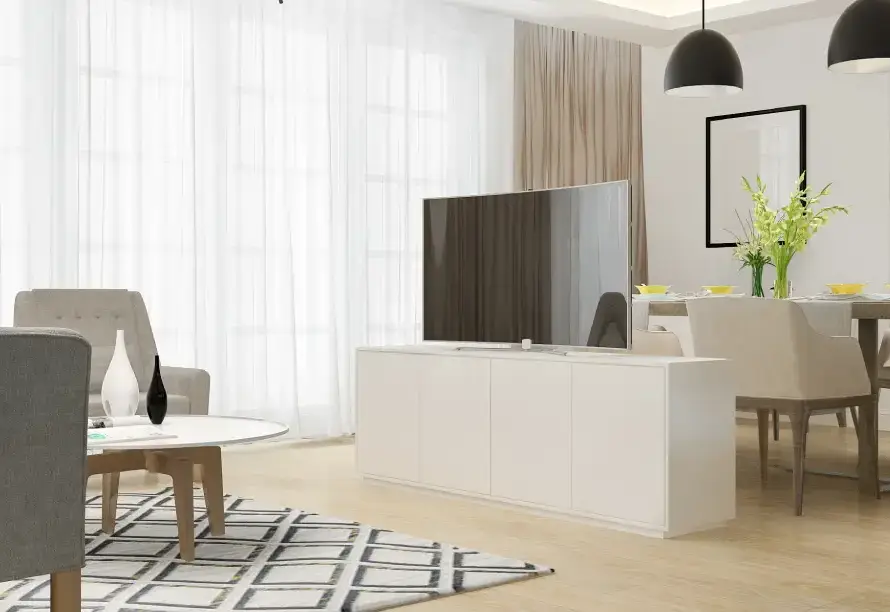
- Choose light-colored walls and reflective surfaces
- Keep curtains sheer or use adjustable blinds
- Add mirrors to bounce sunlight deeper into rooms
Natural light supports comfort and plays a major role in creating calming interior spaces.
2) Indoor Plants Integration for Freshness and Calm
Indoor plants integration is one of the simplest and most affordable biophilic upgrades. Plants bring natural color, freshness, and a relaxing feeling into the home.
Easy plant ideas for wellness remodeling:
- Snake plant or pothos for low maintenance
- Peace lily for a soft, clean look
- Herbs in the kitchen for function and beauty
- Statement plants like the fiddle leaf fig for living rooms
Plants also improve the “living energy” of a space, which is why they’re a top feature in wellness interior design.
3) Sensory-Friendly Layouts That Feel More Comfortable
A major part of neuro-friendly design is creating sensory-friendly layouts. This means spaces should feel open, simple, and easy to navigate without clutter or harsh transitions.
Remodel tips for sensory comfort:
- Avoid overly busy patterns and crowded furniture layouts
- Create a clear walking space and open sight lines
- Design quiet zones for reading, relaxing, or working
- Use soft edges and rounded furniture where possible
These changes reduce mental fatigue and support calm routines.
4) Choose Non-Toxic Materials for a Healthier Home
For truly healthy home remodeling, you should prioritize non-toxic materials. Many traditional materials release chemicals into the air that can irritate allergies, trigger headaches, or affect overall comfort.
Better material choices include:
- Low-VOC or zero-VOC paints
- Natural wood or formaldehyde-free cabinetry
- Non-toxic sealants and adhesives
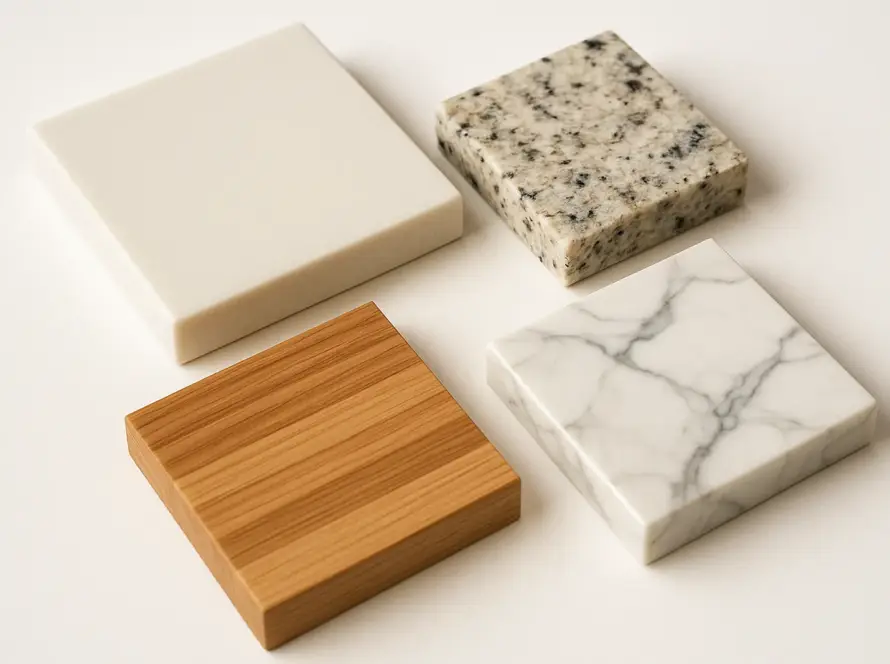
- Stone, clay, or natural fiber finishes
This makes your remodel safer and improves indoor air quality long-term.
5) Acoustic Comfort for Peaceful Living
Sound plays a big role in stress levels, which is why acoustic comfort is a core part of mental wellness design. Noisy spaces can lead to irritability, poor sleep, and lack of focus
Ways to improve acoustic comfort:
- Add rugs, curtains, and soft furnishings
- Use acoustic wall panels in work areas
- Install solid-core doors for privacy
- Upgrade windows for better noise reduction
A quieter home instantly feels more restful.
6) Build Calming Interior Spaces That Reduce Stress
The final goal of biophilic and neuro-friendly remodeling is creating calming interior spaces that feel safe and relaxing.
Design elements that create calm:
- Soft neutral colors and warm textures
- Minimal clutter and hidden storage
- Natural materials like wood, linen, and stone
- Simple décor with nature-inspired patterns
This approach turns your home into a true wellness environment.
Remodel Your Home for Wellness With Remodeling Experts
From natural light optimization and indoor plants integration to non-toxic materials, Perfect Touch takes care of every detail to support long-term wellness. Combining biophilic design home concepts with neuro-friendly design is one of the best ways to upgrade your home in a meaningful way. Contact us today to get a clear home remodeling plan.
FAQs: How to Use Biophilic & Neuro-Friendly Design in Your Home Remodel
Biophilic design in home remodeling means adding nature-inspired elements like natural light, indoor plants, wood textures, and earthy colors to create a calmer and healthier living space.
Neuro-friendly design focuses on creating sensory-comfortable spaces by reducing noise, improving lighting, using calming layouts, and choosing materials that support mental focus and relaxation.
You can improve natural light by adding larger windows, using glass doors, choosing lighter wall colors, adding mirrors, and keeping window treatments minimal to brighten your home naturally.
You can integrate plants by placing low-maintenance indoor plants in living rooms, adding small plants in bathrooms and kitchens, using hanging planters, or creating a green corner for a refreshing look.
Non-toxic materials improve indoor air quality by reducing harmful chemicals from paints, adhesives, flooring, and furniture, making your home safer and better for long-term wellness.
Sensory-friendly layouts include clutter-free spaces, open pathways, soft textures, and clear room zones that reduce overstimulation and make the home feel more peaceful.